|
|
|
|
|
|
|
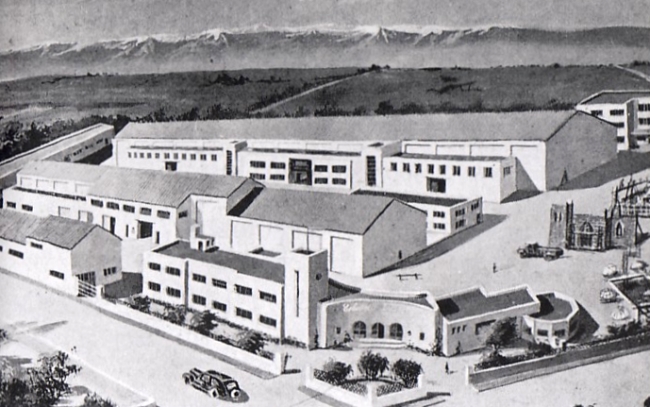
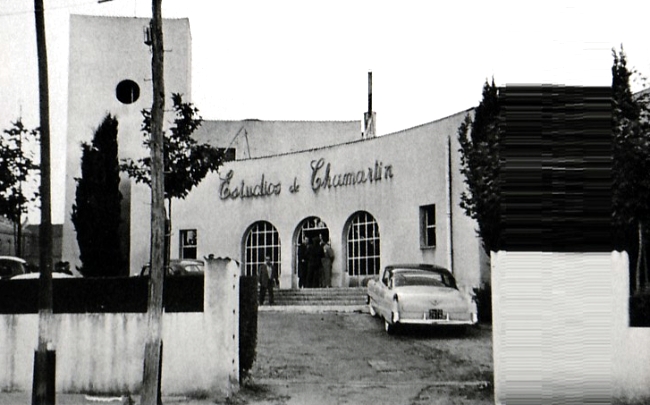
The history of the Estudios de Chamartin de la Rosa goes back to the 30s. |
|
|
|
|
|
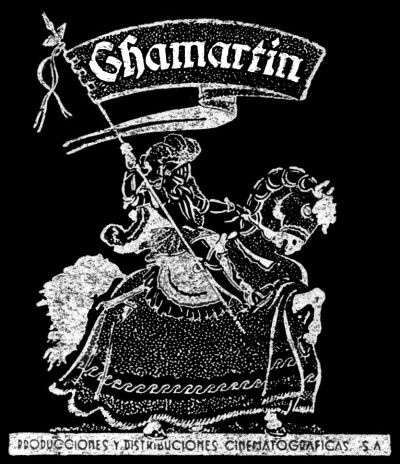
The distinctive logo of the Chamartin studio. |
|
|
|
| Drawing of the old "Estudios de Chamartin". | |
|
|
| Photo of the "Estudios de Chamartin". | |
|
|
|
The Mirisch Production Company in association with the spanish C.B. Films S.A. rented the Samuel Bronston Studios in Chamartin de la Rosa, 1966, for the "Return of the Seven" Production. |
|
|
|
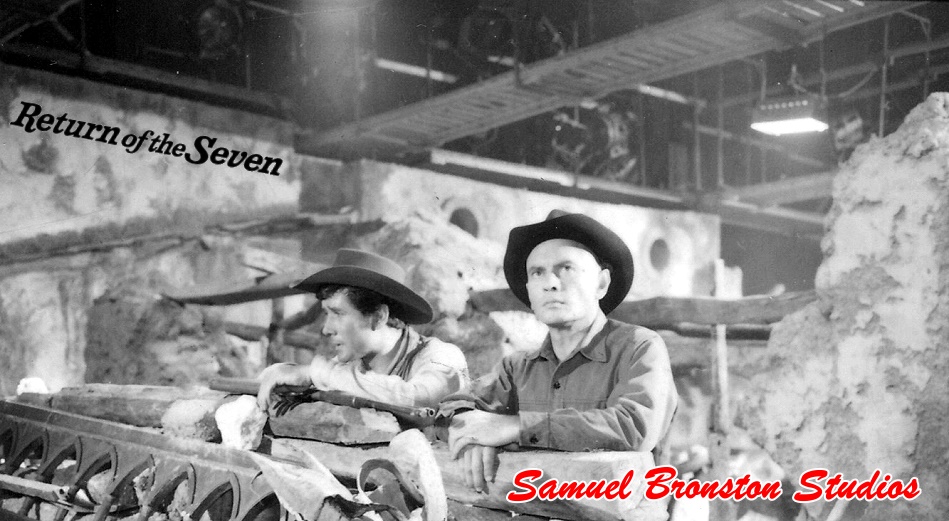
| Set Decorator and Art Director José Algueró Raga has created a great set! | |

|
|
| Lots of Extras and spanish regulars (Carlos Casaravilla,...) on the Studio Set with Yul Brynner. | |

|
|
| Behind the Scenes of the "Return of the Seven" Studio Set (Photo by Gomez-Grau) | |

|
|
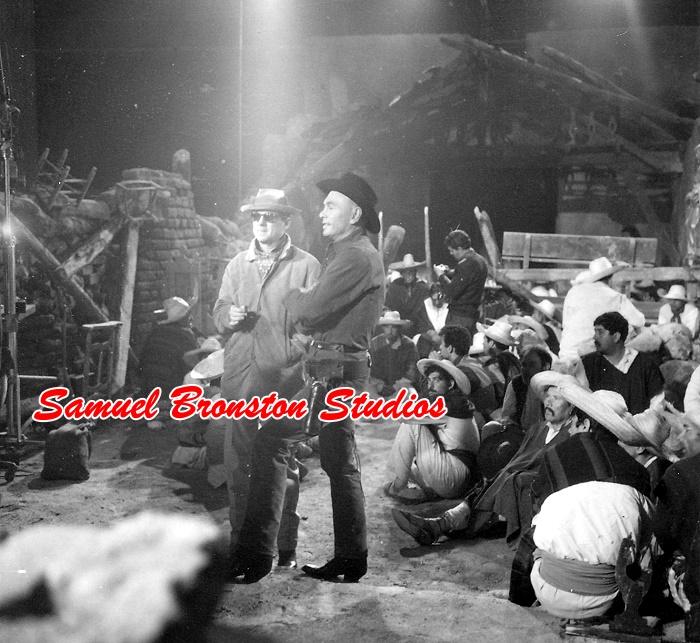
| Director Burt Kennedy, Carlos Casaravilla and Yul Brynner - Samuel Bronston Studios | |
|
|
| Yul Brynner talks with Director Burt Kennedy - The Extras are waiting for "action"! | |
|
|
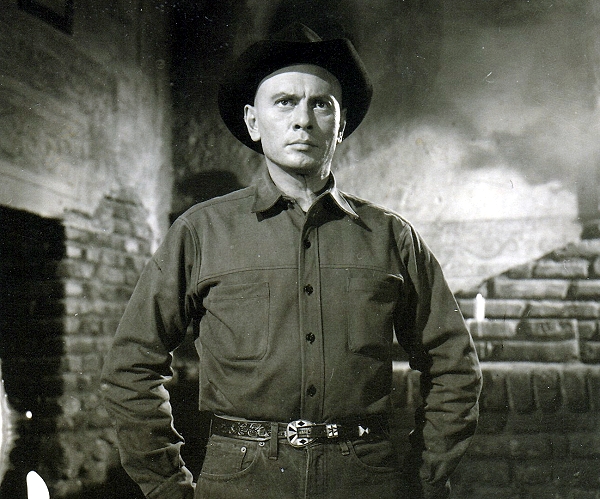
| Yul Brynner - "Return of the Seven" - Samuel Bronston Studios | |

|
|
| Yul Brynner - Studio Set - Madrid | |
|
|
|
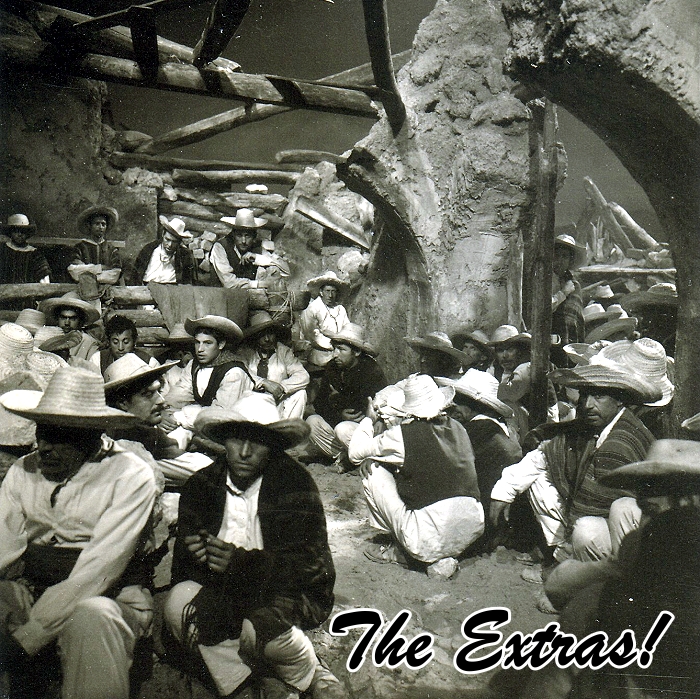
The Extras of "Return of the Seven" - Samuel Bronston Studios. Who are these guys? - Please get in touch! ¿Quiénes son estas personas? - Por favor, póngase en contacto con nosotros! |
|
|
|
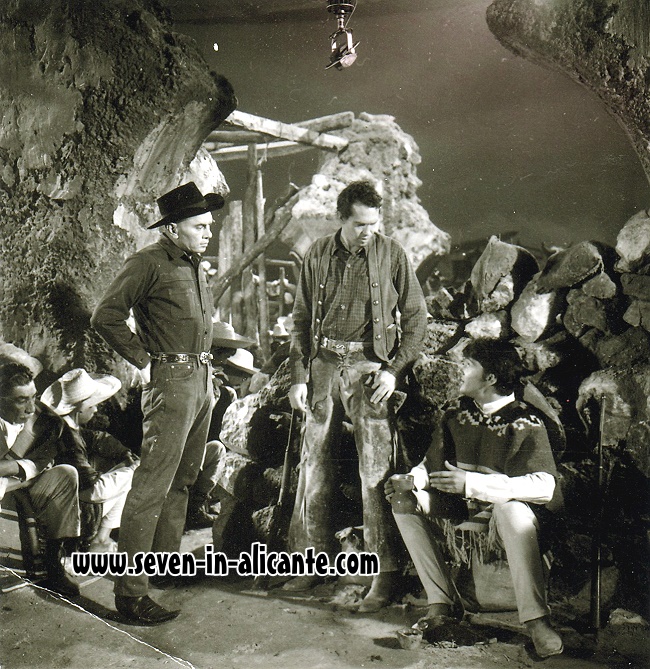
| Samuel Bronston Studios | |
|
|
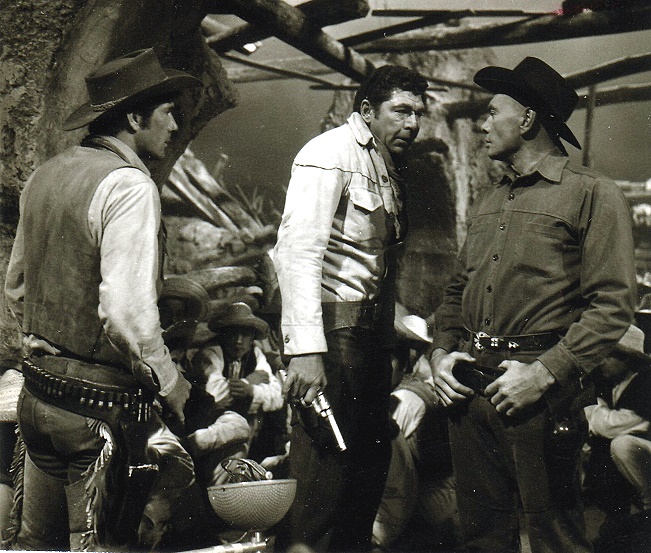
| Robert Fuller - Claude Akins - Yul Brynner | |
|

|
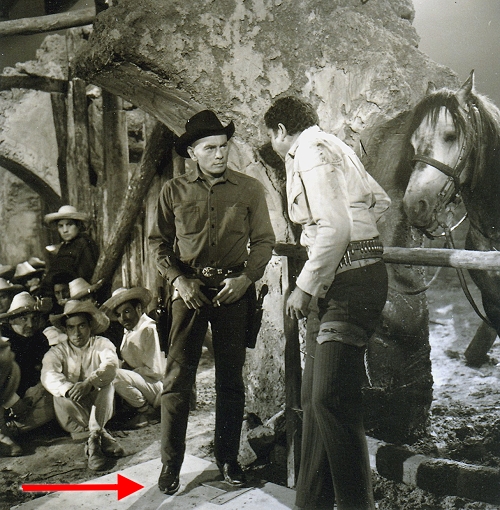
| The actors do not have to stand in the studio sand - There's a T-marker for Yul Brynner. | Optimal Yul, that's the correct position! |
|
|
|
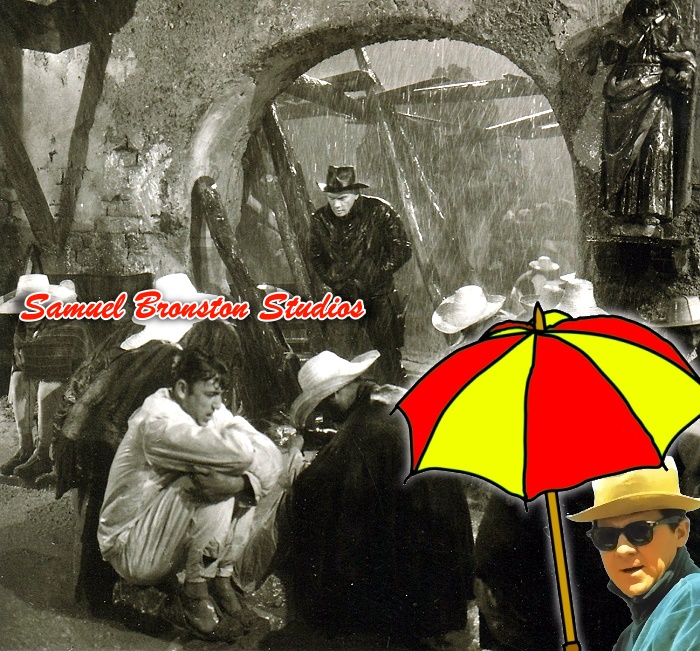
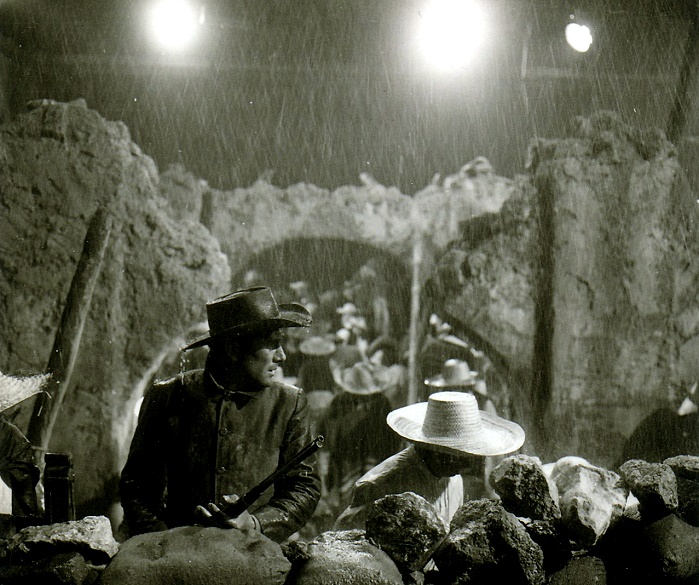
The heavy rain scene. This is tough, the whole Studio "swims". Look at the soaked Extras... |
|

|
|
| The Extras only have thin things on and sandals. All are soaking wet. This is really hard earned money. | |
|
|
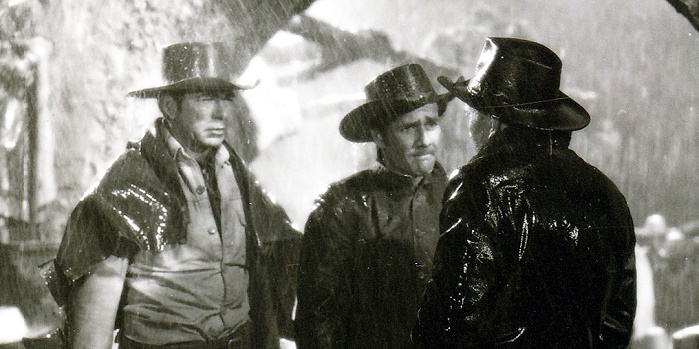
| The water runs from the Stetson of Robert Fuller. | |

|
|
| Fun is something else - Samuel Bronston Studios - 1966 | |
|
|
|
Soaked up to their underwear... Claude Akins - Robert Fuller - Yul Brynner |
|
|
|
|
|
|
|
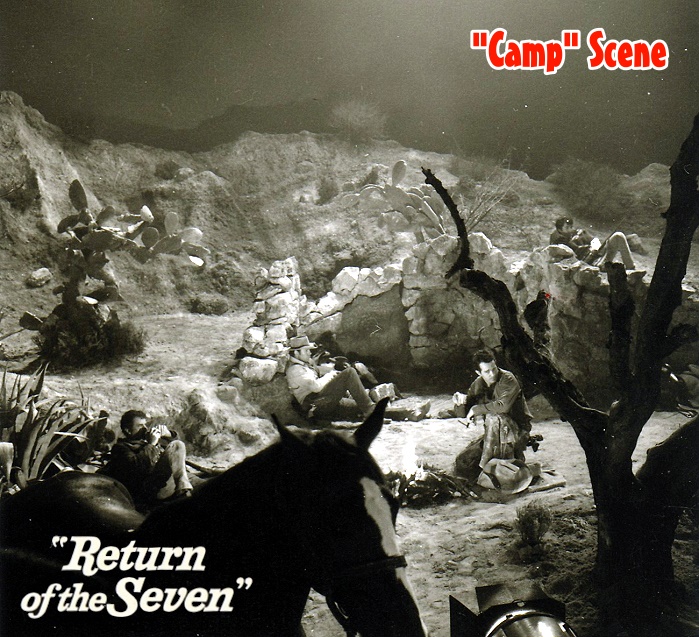
I could not find reliable sources for more studio scenes in "Return of the Seven". A few scenes, however, look very suspicious. Robert Fuller could probably help - I hope to hear from him soon. Here we have the "Camp" scene. There are a few photos on the Internet that should show the "Camp" scene location, but that can not be true. The photos I saw do not have any similarity to the movie scenes. Look at this candid photo of the scene. You can clearly see a shadow of a "studio hill" on this photo!? The whole "landscape" looks like a studio set for me. |
|
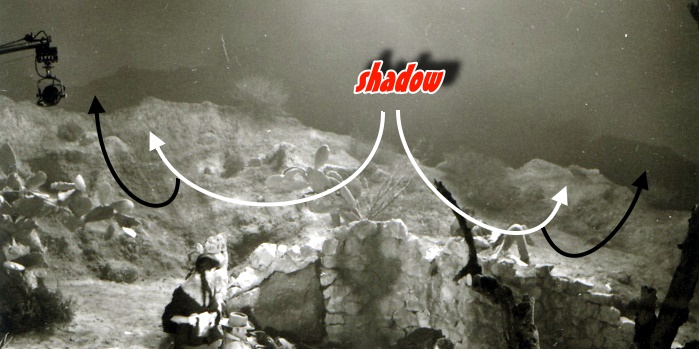
|
|
|
Another shot of the "Camp Scene"...and more shadows. Is this an outdoor shot or a studio one? I think it's a studio one...and probably the set was built in the Samuel Bronston Studios. |
|

|
|
| Outdoors or Studio - Robert Fuller could clarify that. | |
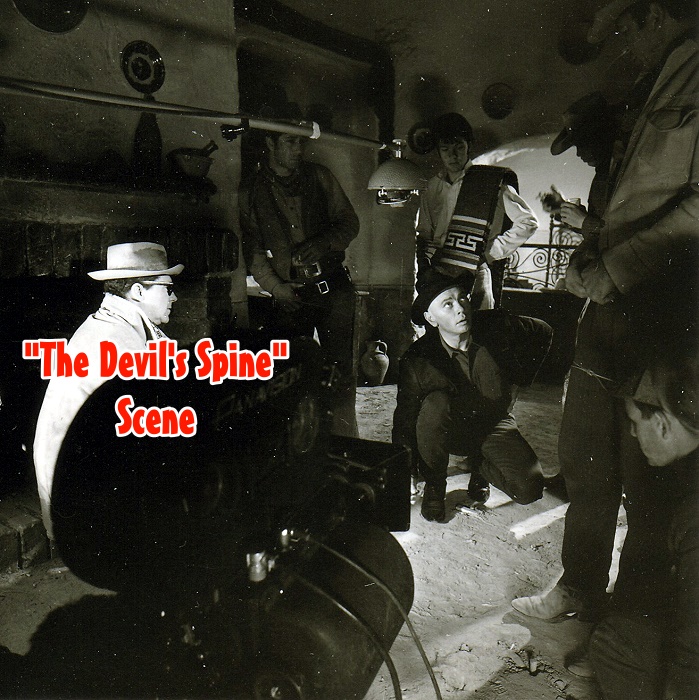
|
|
| Another interesting Scene is the "Devil's Spine" Scene. A studio scene? | |

|
|
| Yul Brynner has a plan... | |

|
|
| Director Burt Kennedy filming the "Devil's Spine" Scene - 1966. | |
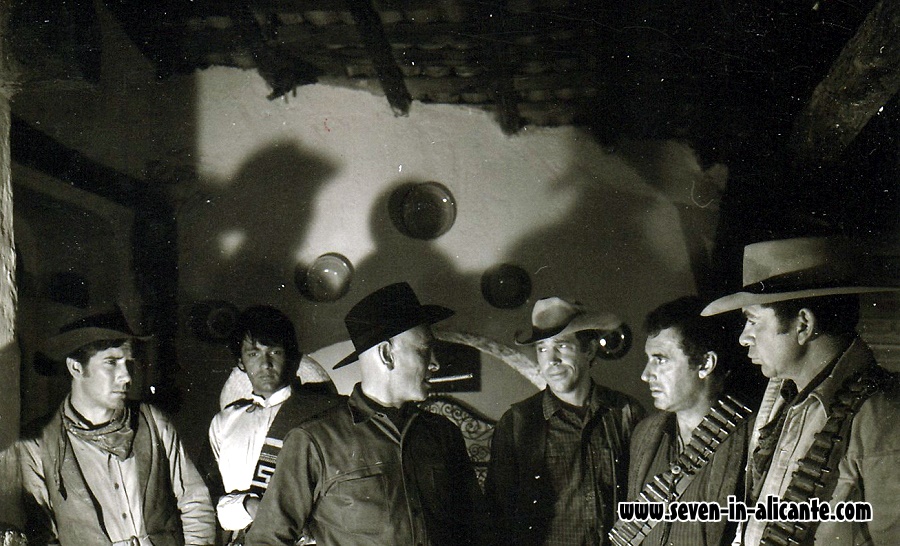
|
|
|
The roof tiles are only loosely on wooden slats. Studio? But there is an interesting building on the Set in Agost, Alicante. |
|
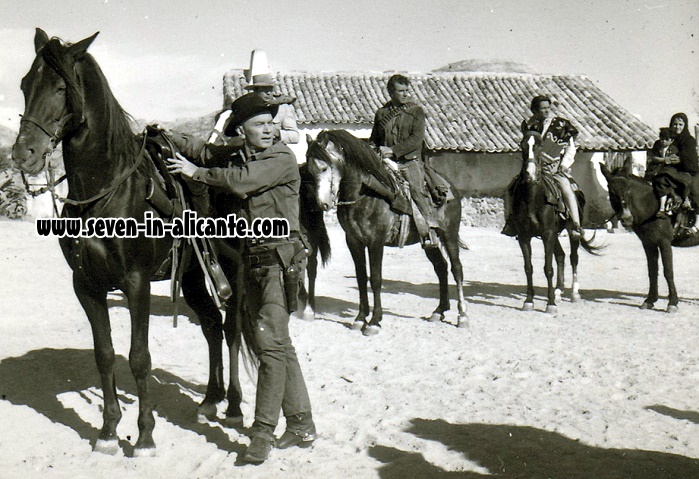
|
|
|
It might be that they filmed the scene inside of this building. I personally tend in this direction - Robert Fuller you are needed! On the right you see a young girl and a boy on a horse, both locals from Agost. The girl is Encarnita Montoya, the double for Elisa Montes. The boy (unkown) is the double for Pedro Bermudez. |
|
|
|
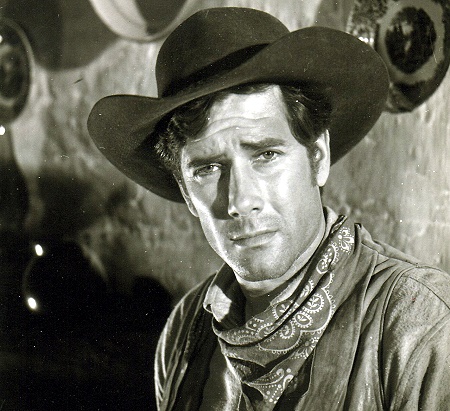
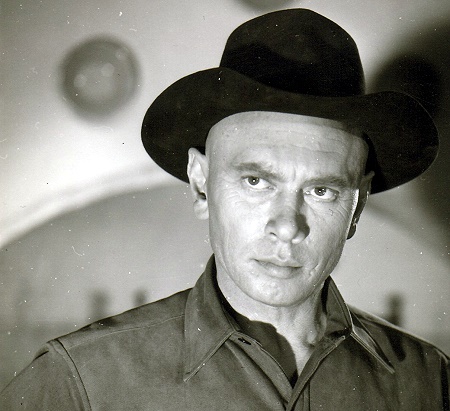
| Vin (Robert Fuller) | Yul Brynner (Chris) |
|
|
|
|
|
|
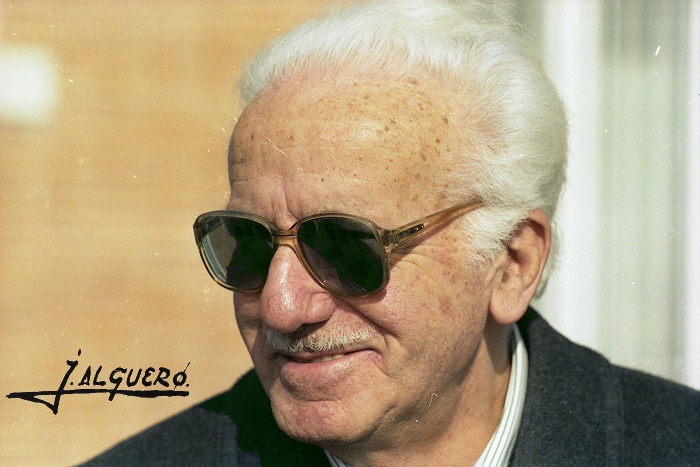
The man behind those great Studio Sets is Art Director José
Algueró. José Algueró Raga was born on september 28, 1914 in Madrid, Spain. He was a sculptor, designer, film set decorator, film art director and watercolorist. Between 1939 and 1951 he was assistant of the sculptor Mariano Benlliure and involved in the construction of various monuments and religious art in Cartagena, Crevillente,..., Ontinyent, Xativa. José Algueró also designed the interior of some buildings. He was responsible for the interior design of the house of Franco in Burgos. With his skills and talents he moved into the film business (1951) as assistent of set decorator legends like Pierre Schildknecht, Antonio Simont and Gil Parrondo. Very quickly he himself became "Art Director" and took over the design of film productions. In his later years he was known as a watercolorist, with exhibitions in Santander, Segovia and Madrid. |
|
|
|
|
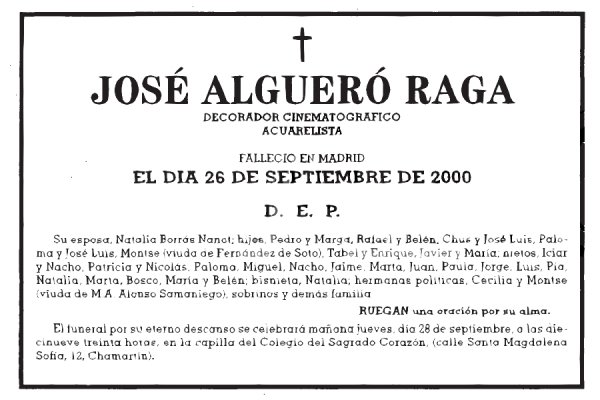
José Algueró Raga died in Madrid, Spain, 2 days before his 86 birthday, on september 26, 2000. (The photo shows the obituary from an old newspaper in Madrid) |
|
|
|
|
José Algueró Raga was the art director for
"Oeil pour
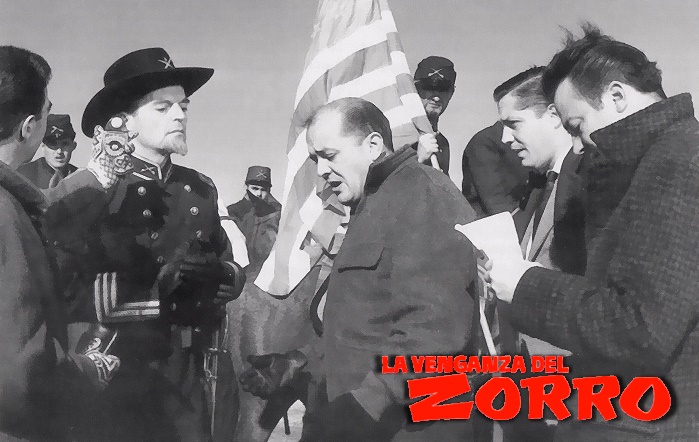
Oeil" (1956). His first movie as chief "Art Director". In 1961 he was responsible for the Set Design of one of the first western movies filmed in spain! José Algueró was the set decorator of the Joaquin Luis Romero Marchent western "La venganza del Zorro" (photo). A year later he was the set decorator for the Leon Klimovsky western "Torrejon City". Impressed by his work Director Leon Klimovsky did a lot of his movies with José Algueró as Set Decorator. For "Return of the Seven" José Algueró designed a great "Church Set" in the Samuel Bronston Studios. The "original" church was built in Agost, Alicante. He worked completely self-governing in the Studio as "Art Director", "Set Decorator" and "Contractor". He was responsible for the building materials and bought wood (and much more..) himself. All was in his hands. José Algueró was the art director for "The Desperados", "Villa Rides", "Land Raiders" and he worked for Director Burt Kennedy again as Set Decorator on "Hannie Caulder". |
|
|
|
|
|
|
|
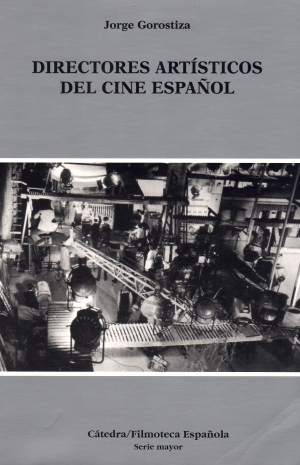
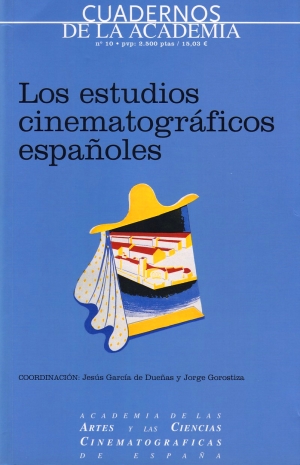
These two books are of immense importance and great interest for researcher and enthusiasts of the spanish film history. We can only thank the authors for their outstanding work! On the left is the fantastic book of Jorge Gorostiza: "Directores artísticos del cine español " (1997). A Bible about the spanish Art Directors and Set Decorators and international Art Directors who worked in Spain. On the right, another Bible on the Spanish film industry. The book of Jesús García de Dueñas and Jorge Gorostiza: "Los estudios cinematográficos españoles" (2001). The spanish film studios and their thrilling history. These 2 books go much deeper than the monthly new releases and look beyond the obvious. Brilliant...great...this is history! |
|
| h | |